All Resources
Blog
Dec 2, 2025
Understanding the Difference and Choosing the Right Strategy
When people search for causes to support, services to trust, or churches to attend, Google is often the first place they go. That is why Google Ads has become one of the most powerful digital marketing tools available. For nonprofits and churches in particular, the decision often comes down to Google Ad Grants vs Paid Google Ads.
While both options use the same Google Ads platform, they work very differently. Understanding these differences can help you decide which approach delivers the best return for your mission, budget, and goals.
What Are Google Ad Grants?
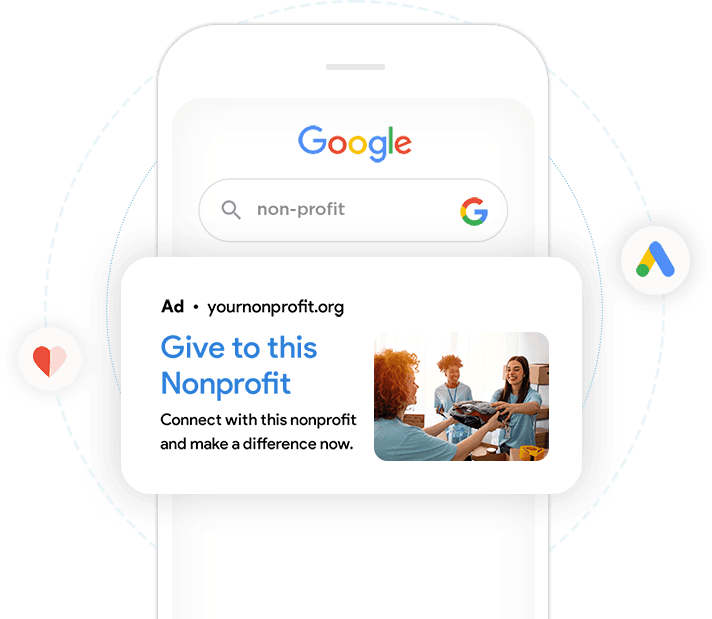
Google Ad Grants is a program offered by Google that provides eligible nonprofits with up to $10,000 per month in free search advertising. These ads appear in Google search results and work on a cost per click model, just like paid ads.
Google Ad Grants is designed to help nonprofits increase awareness, drive website traffic, and connect with people actively searching for relevant information.
Key Features of Google Ad Grants
Up to $10,000 per month in free ad spend
Ads appear only on Google Search
Maximum cost per click limits
Restricted bidding strategies and keyword types
Ongoing compliance requirements
What Are Paid Google Ads?
Paid Google Ads are available to any organization willing to invest advertising dollars. With paid ads, you set your own budget, bidding strategy, targeting options, and campaign structure. There are far fewer restrictions compared to Google Ad Grants.
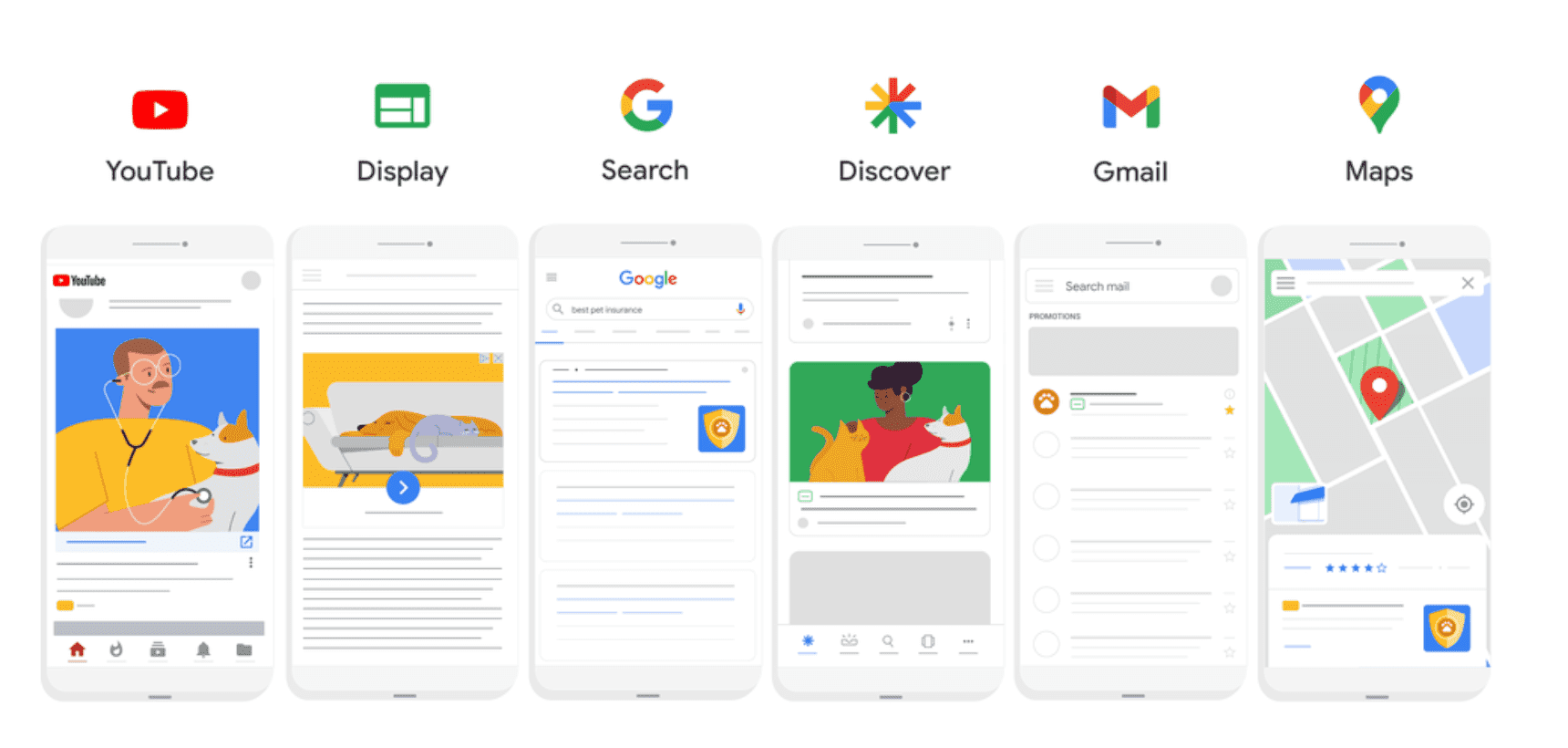
Paid Google Ads can appear across multiple placements, including search results, display networks, YouTube, and Gmail.
Key Features of Paid Google Ads:
No monthly spending cap
Full control over bidding and keywords
Access to display, video, and remarketing ads
Faster scaling and testing opportunities
Higher competition and higher costs
Google Ad Grants vs Paid Google Ads: Core Differences
Budget and Cost
The biggest difference between Google Ad Grants and paid Google Ads is cost.
Google Ad Grants provides free ad spend, making it ideal for organizations with limited marketing budgets. However, the monthly grant cannot be exceeded and unused funds do not roll over.
Paid Google Ads require a real financial investment but offer unlimited scalability. If a campaign is performing well, you can increase the budget instantly.Targeting and Reach
Google Ad Grants ads only appear on Google Search. You cannot run display ads, video ads, or remarketing campaigns.
Paid Google Ads allow you to reach users across the entire Google ecosystem, including YouTube and partner websites. This makes paid ads more flexible for broader awareness campaigns.Keyword and Bidding Restrictions
Google Ad Grants has strict keyword policies. Single word keywords are prohibited, overly generic keywords are restricted, and cost per click limits can make competitive searches difficult.
Paid Google Ads give you full freedom to bid aggressively on high intent keywords and adjust bids based on performance, location, or device.Performance and Competition
Because Google Ad Grants accounts have bidding limitations, ads may appear lower on the page or not show at all for highly competitive searches.
Paid Google Ads typically achieve stronger impression share and higher ad positions, especially in competitive markets.
Which Is Better for Nonprofits and Churches?
The choice between Google Ad Grants vs Paid Google Ads is not always either or. For many organizations, the best strategy is using both together.
When Google Ad Grants Is a Good Fit:
You want free website traffic
You focus on educational or informational searches
You have limited advertising budget
You can maintain compliance requirements
When Paid Google Ads Makes Sense
You want faster results and more control
You need to compete for high value keywords
You want to promote events or time sensitive campaigns
You want advanced targeting and remarketing
For churches, Google Ad Grants can help people searching phrases like “church near me” or “Christian counseling” discover your website. Paid Google Ads can supplement that reach during major seasons such as Easter, Christmas, or community events.
Can You Use Google Ad Grants and Paid Ads Together?
Yes, and this is often the most effective approach.
Many organizations use Google Ad Grants to cover long term informational keywords while running paid Google Ads for competitive or high priority searches. This hybrid strategy maximizes visibility while keeping advertising costs manageable.
Final Thoughts on Google Ad Grants vs Paid Google Ads
Google Ad Grants and paid Google Ads both play valuable roles in modern digital outreach. Google Ad Grants offers an incredible opportunity to gain free exposure, while paid Google Ads provides flexibility, scale, and competitive strength.
Choosing the right approach depends on your goals, resources, and how competitive your search landscape is. For many nonprofits and churches, combining both creates the strongest and most sustainable digital advertising strategy.